
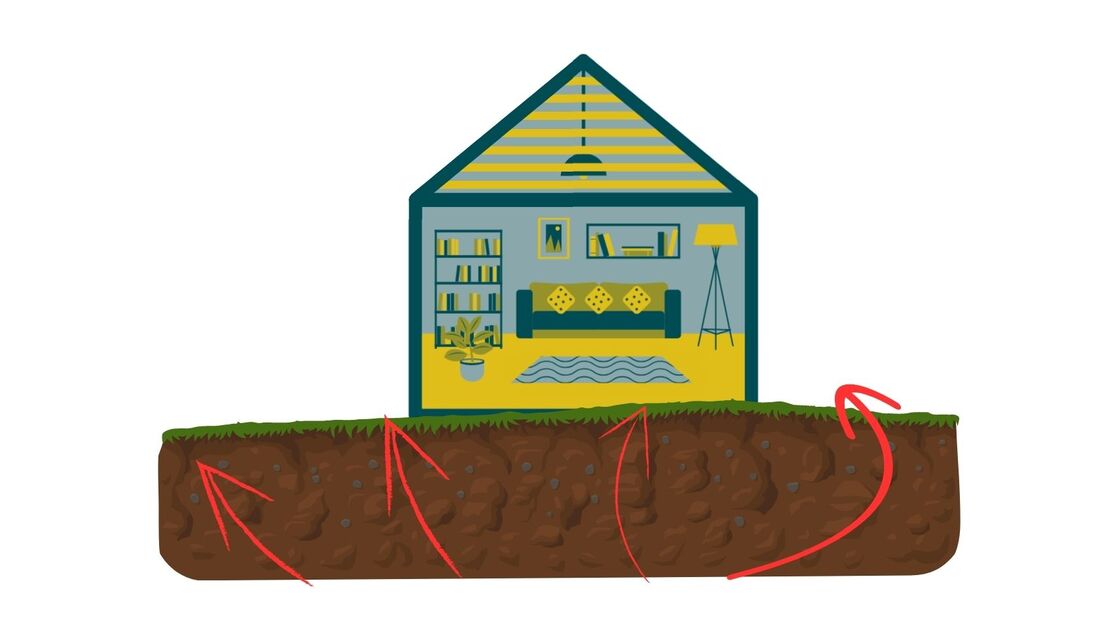
 Radon gas is a significant concern regarding indoor air quality, particularly in homes and buildings with basements. This invisible, odorless gas is a leading cause of lung cancer, and it is crucial to understand how it can enter our living spaces. This article will explore the question: Can radon enter concrete? We will delve into the process by which radon gas infiltrates homes, the role of concrete in this phenomenon, and the importance and lifespan of a radon mitigation system to safeguard our health. How Does Radon Get into Homes?Here are some key points to consider regarding how radon gas enters homes: Radon Gas and its SourceRadon gas is a radioactive byproduct of the natural breakdown of uranium found in soil, rocks, and water. This gas can seep into the surrounding soil and bedrock, creating a source of radon in basements and around buildings. Movement of Radon through Permeable SoilRadon gas naturally moves through the soil, following the path of least resistance. The disturbed and permeable soil surrounding foundations provides an entryway for radon to infiltrate homes. Penetration through Openings and CracksOnce radon reaches the vicinity of a building, it exploits any openings, cracks, and gaps in the foundation. These openings can be found in the basement floors, walls, and concrete slab. Radon's Interaction with ConcreteConcrete is typically porous, containing small interconnected air pockets and capillaries. While these pores are not visible to the naked eye, they can serve as conduits for radon gas to enter a building. The movement of radon through concrete depends on factors such as concrete density, moisture content, and the presence of cracks or imperfections. Radon Entry Points in Concrete FoundationsConcrete foundations, commonly used in construction, can have potential entry points for radon gas. These entry points include gaps around pipes, utility penetrations, expansion joints, and floor-wall junctures. Radon can infiltrate these vulnerable areas, entering the living spaces above. The Lifespan of a Radon Mitigation SystemTo combat radon gas infiltration, radon mitigation systems are employed. These systems typically involve installing a ventilation system that redirects radon gas from beneath the building to the outside, effectively reducing indoor radon levels. The lifespan of a radon mitigation system can vary depending on factors such as the system's design, maintenance, and the quality of its components. Final ThoughtsRadon gas can indeed enter concrete structures, including homes with basements. The movement of radon through concrete occurs primarily through the pores and cracks present in the material. It is essential to understand the potential entry points in concrete foundations and the importance of radon mitigation systems in reducing indoor radon levels. By implementing effective mitigation measures and regular maintenance, we can safeguard ourselves and our loved ones from the harmful effects of radon gas exposure. Remember, radon testing and mitigation should be conducted by professionals trained in radon measurement and mitigation techniques. It is crucial to consult experts in the field to ensure the safety and effectiveness of any radon mitigation system installed in your home. FAQsCan radon gas enter concrete?Yes, radon gas can enter concrete structures. The porous nature of concrete, along with cracks and openings, provides a pathway for radon to infiltrate homes and buildings. How does radon get into homes through concrete?Radon gas moves through the soil and gravel surrounding foundations, reaching the concrete structures. It exploits openings, cracks, and pores in the concrete, eventually entering the living spaces. Are all types of concrete susceptible to radon infiltration?Concrete, in general, contains pores and interconnected air pockets. The movement of radon through concrete depends on various factors such as density, moisture content, and the presence of cracks or imperfections. What are the entry points for radon in concrete foundations?Common entry points for radon in concrete foundations include gaps around pipes, utility penetrations, expansion joints, and floor-wall junctures. Radon can seep through these vulnerable areas and enter the living spaces. How can I protect my home from radon gas entering through concrete?To protect your home from radon gas, it is crucial to implement a radon mitigation system. These systems typically involve installing a ventilation system that redirects radon gas from beneath the building to the outside, reducing indoor radon levels.
0 Comments
|
|
Serving Cedar Rapids, IA and Surrounding Areas
|
OUR SERVICES
RADON MITIGATION RADON TESTING COMPANY INFO 2023 Birchwood Dr NE Cedar Rapids, IA 52402 BUSINESS HOURS MONDAY TO SUNDAY 7 AM - 7 PM PHONE NUMBER 319-220-5563 |
SOCIAL MEDIA
|